Titanium vs Stainless Steel Medical Components
Titanium and stainless steel are both used for medical metal components, but they serve different design and sourcing needs. Titanium is often chosen for lightweight strength and corrosion resistance, while stainless steel is often chosen for strength, machinability, availability, and cost control.
The right choice depends on device function, component geometry, contact environment, surface finish, tolerance, production quantity, and documentation needs. Buyers should compare both materials before prototype production if the drawing is still flexible.
When Stainless Steel Fits
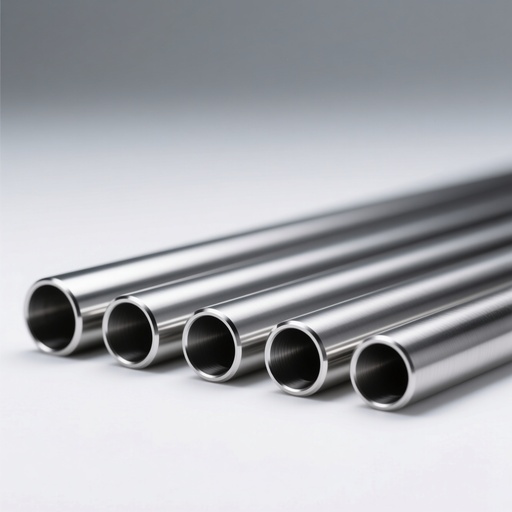
Stainless steel 304 and 316L are common choices for medical stainless steel capillary tubes, stainless steel micro tubes, surgical instrument parts, laboratory equipment, sleeves, inserts, and precision metal assemblies. 316L is often considered when corrosion resistance and medical use are important.
When Titanium Fits
Titanium may be preferred for components that need low weight, high strength-to-weight ratio, or specific corrosion resistance. It can be useful for surgical tools, lightweight hardware, medical device assemblies, and custom precision components.
Processing Comparison
Stainless steel and titanium behave differently during machining, forming, polishing, and finishing. Titanium may require more careful process control, while stainless steel may offer broader availability for tube and machined component projects. The supplier should review the drawing before confirming process route.
Cost and Sourcing Considerations
Material cost, processing complexity, inspection requirements, and availability can affect the final quotation. Buyers should avoid choosing a material only by name. Instead, define performance requirements and ask the supplier to review manufacturability.
Frequently Asked Questions
Q: Is titanium always better than stainless steel for medical components?
A: No. Titanium is useful in many medical projects, but stainless steel may be better for cost, availability, machining, tubing, or specific assembly needs.
Q: Is 316L stainless steel commonly used in medical components?
A: Yes. 316L is widely used in many medical metal applications, but final suitability depends on device function, surface requirement, documentation, and buyer specifications.
Q: Can Healsmed review both titanium and stainless steel options?
A: Yes. Buyers can send drawings, material assumptions, application notes, and tolerance requirements so both options can be reviewed before quotation.

Healsmed
Leading Stainless Steel Capillary Tube Factory. 1,400+ standard sizes IN STOCK & ready to ship worldwide! High precision, factory-direct price.