316L Stainless Steel in Medical Devices
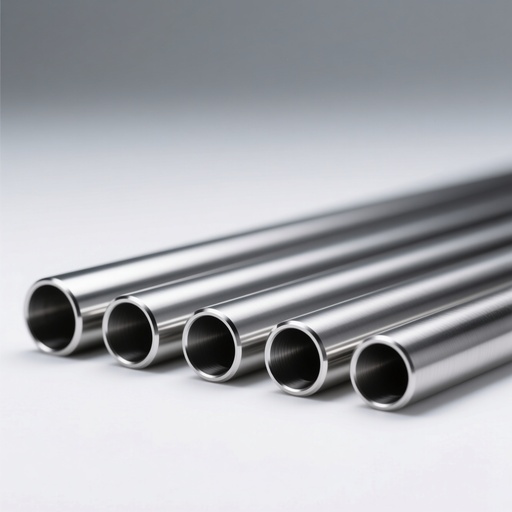
316L stainless steel is widely used in medical device components because it combines corrosion resistance, formability, machinability, and stable performance for many precision metal applications. It is often selected for medical stainless steel capillary tubes, surgical instrument components, laboratory equipment parts, and custom medical metal assemblies.
Why 316L Stainless Steel Matters
The low carbon composition of 316L helps reduce corrosion-related risks in many applications. For medical manufacturing, material grade alone is not enough. Buyers should also define tube size, component geometry, tolerance, surface finish, cleaning requirements, packaging, and documentation expectations.
Common Medical Applications
316L stainless steel may be used in medical capillary tubes, stainless steel micro tubes, surgical instrument components, sleeves, inserts, shafts, precision machined parts, laboratory equipment, and healthcare product hardware. The final suitability depends on device function and buyer requirements.
Corrosion Resistance and Surface Quality
316L is often selected when corrosion resistance is important, but corrosion performance also depends on surface condition, processing method, cleaning, passivation, environment, and design. For small tubes or machined components, surface finish and burr control should be reviewed together with dimensional tolerances.
Biocompatibility Considerations
316L is commonly associated with medical applications, but buyers should avoid assuming that every 316L part is automatically suitable for every medical device. The device manufacturer must define regulatory, testing, cleaning, and documentation requirements according to the final product use.
RFQ Checklist for 316L Medical Parts
When requesting a quotation, send the drawing, material grade, OD, ID, wall thickness, length, tolerance, surface finish, end condition, quantity, inspection requirements, and packaging method. If the component is used in a medical device assembly, include the function and critical dimensions.
Frequently Asked Questions
Q: Is 316L stainless steel suitable for all medical devices?
A: No. 316L is common in medical applications, but final suitability depends on device function, environment, regulatory path, surface requirement, and buyer specifications.
Q: Can 316L capillary tubes be customized?
A: Yes. OD, ID, wall thickness, length, end condition, surface finish, packaging, and inspection requirements can be reviewed by drawing or size list.
Q: What should buyers confirm before ordering 316L medical components?
A: Confirm material grade, dimensions, tolerance, surface finish, burr control, cleaning needs, inspection method, documentation, and packaging.

Healsmed
Leading Stainless Steel Capillary Tube Factory. 1,400+ standard sizes IN STOCK & ready to ship worldwide! High precision, factory-direct price.