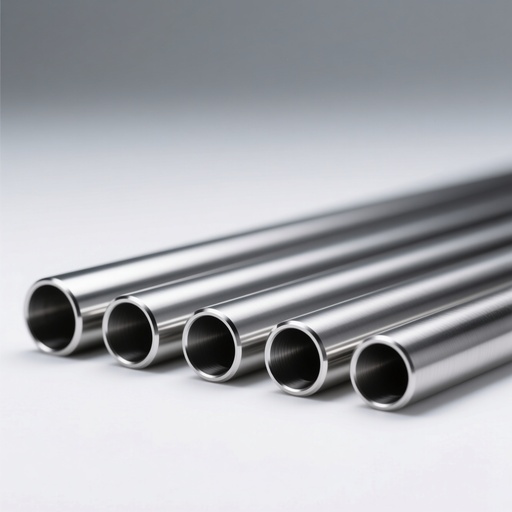
304/316 Stainless Steel Capillary Tubes in Chemical Processing Industry
Capillary Tubes in Chemical Processing: Critical for Safety & Reliability
Chemical processing plants handle aggressive acids, alkalis, solvents, and corrosive gases at high pressures and temperatures. Stainless steel capillary tubes serve as essential components in chemical processing — from pressure and temperature sensing to chemical injection and sampling lines. The right material selection (304 vs 316) is critical for safety, reliability, and regulatory compliance.
Chemical Resistance of 304 vs 316
| Chemical | 304 | 316 | Concentration | Temperature |
|---|---|---|---|---|
| Sulfuric acid | Fair | Good | 10-20% | < 50°C |
| Phosphoric acid | Good | Excellent | All concentrations | < 80°C |
| Nitric acid | Excellent | Excellent | All concentrations | < 60°C |
| Hydrochloric acid | Poor | Poor | Any | Any |
| Sodium hydroxide | Excellent | Excellent | All concentrations | < 100°C |
| Chloride solutions | Poor | Good | < 100 ppm | < 60°C |
| Acetic acid | Good | Excellent | All concentrations | < 80°C |
| Citric acid | Excellent | Excellent | All concentrations | < 100°C |
Note: Always consult a chemical compatibility chart for specific conditions. The above is a general guide only.
Applications in Chemical Processing
Instrumentation & Sensing
- Pressure sensing lines: Transmit process pressure to transmitters and gauges
- Temperature sensing: Thermowell tubes for RTDs and thermocouples
- Level measurement: Purge lines for level transmitters
- Flow measurement: Sampling lines for analyzers
Chemical Injection
- Corrosion inhibitor injection: Continuous dosing into process streams
- pH control: Acid/alkali dosing lines
- Biocide injection: Microorganism control in water systems
- Scale inhibitor injection: Scaling prevention in pipelines
Sampling Systems
- Process sampling: Representative sample extraction for laboratory analysis
- Online analyzers: Continuous sample flow to analyzers
- Safety sampling: Toxic/hazardous gas detection sampling
Material Selection Guide
| Application | Recommended Grade | Reason |
|---|---|---|
| General instrumentation | 304 | Cost-effective, adequate corrosion resistance |
| Chloride-containing processes | 316 | Molybdenum provides pitting resistance |
| Pharmaceutical chemicals | 316L | Low carbon, electropolishable, high purity |
| High temperature (>400°C) | 321/347 | Stabilized grades for high temperature |
| Strong reducing acids | Hastelloy | 304/316 not suitable |
Quality Standards
- ASTM A269/A269M — Seamless and welded austenitic stainless steel tubing
- EN 10216-5 — Pressure equipment seamless steel tubes
- NACE MR0175 — Sulfide stress cracking resistance
- ISO 9001:2015 — Quality management
Request a Quote
Contact us with your chemical processing requirements — material grade, dimensions, chemical compatibility, quantity — and receive a competitive quote within 24 hours.

Healsmed
Leading Stainless Steel Capillary Tube Factory. 1,400+ standard sizes IN STOCK & ready to ship worldwide! High precision, factory-direct price.