Understanding Metal Hardness: A Guide to Medical Application Material Selection
Introduction
Hardness is a critical mechanical property in medical device material selection. It directly influences wear resistance, machinability, and clinical performance of surgical instruments and implants. This guide explains the common hardness testing methods and their medical applications.
—
Hardness Testing Methods
| Method | Indenter | Scale | Common Use |
|---|---|---|---|
| Rockwell (HRC) | 120° diamond cone | 0-100 | Hardened steels, carbide |
| Rockwell (HRB) | 1/16″ steel ball | 0-130 | Annealed steels, brass |
| Vickers (HV) | 136° diamond pyramid | 1-3000 | Thin sections, coatings |
| Brinell (HB) | 10mm carbide ball | 1-600 | Castings, forgings |
—
Medical Materials Hardness Comparison
| Material | Hardness | Scale |
|---|---|---|
| 316L Stainless Steel | 150-190 | HB |
| 440C Stainless Steel | 58-60 | HRC |
| Ti-6Al-4V | 30-36 | HRC |
| Co-Cr-Mo (Cast) | 25-34 | HRC |
| Co-Cr-Mo (Wrought) | 35-45 | HRC |
| Nitinol | 30-35 | HRC |
—
Hardness vs Machinability
| Material | Hardness | Machinability Rating |
|---|---|---|
| 316L (Annealed) | 150 HB | Good (60% of free-cutting steel) |
| 440C (Hardened) | 60 HRC | Difficult (requires grinding) |
| Ti-6Al-4V | 36 HRC | Fair (requires specialized tools) |
| Co-Cr (Wrought) | 40 HRC | Difficult (carbide tools essential) |
—
Clinical Significance
- Surgical Instruments: Higher hardness provides better edge retention for cutting tools like scalpels and scissors
- Joint Replacements: Wear resistance directly correlates with implant longevity
- Dental Tools: Sufficient hardness for cutting tooth structure without excessive wear
- Stents: Balance between radial strength and flexibility

Healsmed
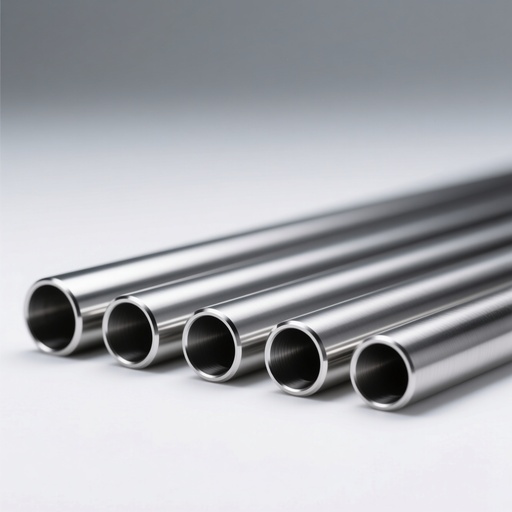
Leading Stainless Steel Capillary Tube Factory. 1,400+ standard sizes IN STOCK & ready to ship worldwide! High precision, factory-direct price.